
THE ROLE OF RADIATION ONCOLOGIST IN CANCER CARE
Cancer is a heterogeneous term that encompasses many diseases whichshare a fundamental feature, i.e the abnormal growth of cells andtheirability to metastasize.The war against cancer is centuries old, howeverthe battle against this nemesis of mankind has rapidly shiftedgears inpast 2-3 decades. This has been made possible with our understandingofhuman genome, cell cycle, mutations, and a rapid advancement intreatment technologies making the treatment individual &target specific.
As per the National Cancer Registry of India, the incidence of newcancercases was between 90-100 per 1 lac individuals for 2020, anestimatewhich is projected to increase and 1 in 9 indians may be afflictedbythisdisease by 2025. However the diagnoses of cancer is not to be considereda death sentence and patients can even be cured if diagnosedandtreated early.
The doctors who treat cancers are called oncologists and there arethreespecialties involved in treatment planning. These are the surgical, radiation and medical oncologists. These 3 specialists can be comparedtobe like the armed forces. The surgeon is like the army, radiationoncologist is like the air force and the medical oncologist is like thenavy.All 3 have equal contribution in the cure for cancer.
Radiation oncology is the science of treatment of cancer with highenergyrays including Photons, electrons or particles like protons throughsophisticated equipment called the linear accelerators.However, this
modality of treatment is known by misnomers like giving light or heatorlaser. The treatment is locally directed, bloodless and painless. Radiationoncology forms an integral part of cancer care and treatment goal canbe cure or relief of symptoms based upon the stage of the cancer
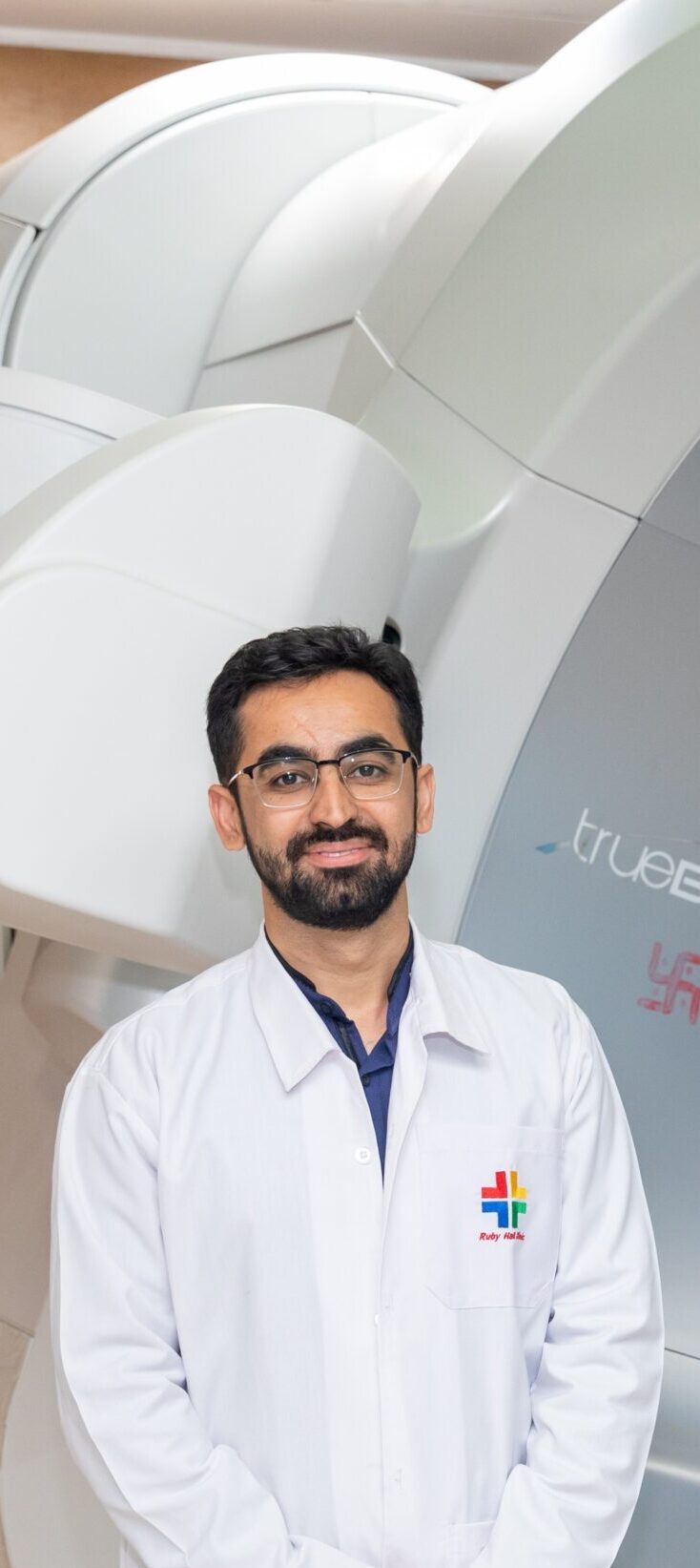
Radiation is an important component of curative treatment eitheraloneor in combination with surgery, chemotherapy, and immunotherapy. Theindications for treatment depends upon the site and the stage of malignancy.
Here are some examples of how treatment protocols aredesigned:
1. Curative/Radical setting- Radio therapy is given directly withorwithout chemotherapy to cure the disease. These include Cancers of Nasopharynx, Larynx, Upper esophagus, advanced stage of Lungca, cervix, vagina, etc.
2. Adjuvant setting- After curative surgery has happened radiationis prescribed in cases with high risk features to reduce the chances of
recurrence with or without chemotherapy. For example, cancers of brain,mouth, breast, uterus, soft tissue sarcoma, esophagus, rectum, etc
3. Neoadjuvant setting- Aim is to downstage a tumor and make it moreamenable to surgical resection. Examples include Ca Rectum, Esophagus.
4. Palliative setting- The goal here is symptom relief with short courseofradiation. Some examples include: Metastases to brain, Bone (pain), Spinal cord compression causing paralysis, Bleeding fromtumors likerectum, cervix, etc.
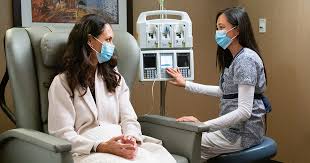
Radiation Therapy Delivery & Mechanism of Action
In the last two decades, radiation therapy has advanced tremendously, making treatment more precise and reducing side effects. The process begins with treatment planning, where CT and MRI scans are taken along with patient immobilization using a mask or cushion. The oncologist and team then perform computerized planning, carefully marking the cancer and nearby healthy organs to minimize radiation exposure. Treatment is delivered using advanced machines called linear accelerators such as Trubeam, Versa HD, Halcyon, CyberKnife, and GammaKnife. Radiation works by damaging the DNA of cancer cells, preventing them from growing or multiplying, while healthy cells usually recover.
Treatment Experience & Side Effects
Radiotherapy is a painless, non-invasive, and bloodless procedure, similar to undergoing a scan. Sessions are usually scheduled 5 days a week for 1–6 weeks, depending on the cancer site and treatment goals. Each session takes about 10–15 minutes, after which patients can go home without observation. In some cases, chemotherapy may be combined once a week. While side effects are cumulative and site-specific—such as mouth ulcers, skin pigmentation, or dryness in oral cancers—they are temporary and manageable with medications, diet adjustments, and supportive care. Most side effects resolve within 2–4 weeks after treatment completion.
Technological Advancements & Future of Care
Modern radiotherapy techniques such as IMRT, IGRT, VMAT, and stereotactic radiosurgery (SRS/SBRT) have revolutionized cancer care by making treatments safer, faster, and more precise. Treatment times have been significantly reduced—for example, breast cancer protocols from 5 weeks to as short as 1–3 weeks, and prostate cancer from 7 weeks to 1–4 weeks. At Ruby Hall Clinic, Pune, state-of-the-art machines like Trubeam STx 2.0, Halcyon Elite, and CyberKnife enable world-class care with a strong focus on stereotactic treatments. These advancements ensure high cure rates, improved quality of life, and minimal hospital visits, making radiation therapy an integral and evolving part of cancer management.